
FTM Technologies

BLOG

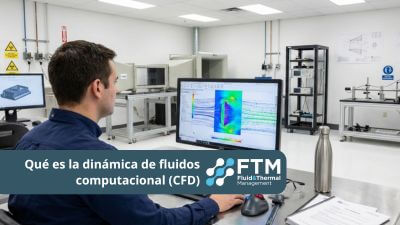
What Is Computational Fluid Dynamics (CFD)?

What is Computational Fluid Dynamics (CFD)?

What is Computational Fluid Dynamics (CFD)? In modern engineering, the ability to predict fluid behavior without relying on costly physical testing has marked a turning point. Thanks to advances in digital simulation, it is now possible to analyze how gases
Read More »
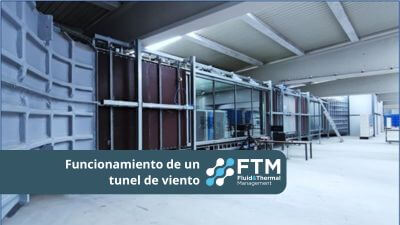
wind tunnel operation

How a wind tunnel works

How a wind tunnel works: how air is accurately simulated Wind is one of the most studied natural forces in modern engineering, and understanding how it interacts with different objects is key to safe, efficient, and optimized designs. Wind tunnels

Read More »
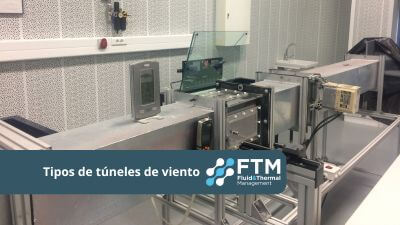
types of wind tunnels

Types of wind tunnels

Types of wind tunnels: classification, uses, and key differences In the field of engineering and aerodynamics, wind tunnels are facilities designed to generate controlled airflow over stationary objects. Although their internal operation can be complex, what truly matters is understanding

Read More »
Real photograph of a PEM-type hydrogen fuel cell showing its stacked plate structure and industrial connections.

What is a fuel cell

What is a fuel cell A fuel cell is an electrochemical device capable of directly converting the chemical energy of a fuel into electricity and heat, without the need for a conventional combustion process. Unlike a battery, the cell does

Read More »
Diagram of the operating principle of a plate heat exchanger showing the circulation of hot and cold fluid and heat transfer.

Operating principle of a heat exchanger

Operating principle of a heat exchanger Sometimes, in the midst of daily operation, signs begin to appear that compromise thermal performance: increased energy consumption, difficulty reaching key temperatures, or an unexpected reduction in process efficiency. Situations that you have surely

Read More »
Scroll to Top
Esta web utiliza cookies propias y de terceros para su correcto funcionamiento y para fines analíticos. Contiene enlaces a sitios web de terceros con políticas de privacidad ajenas que podrás aceptar o no cuando accedas a ellos. Al hacer clic en el botón Aceptar, acepta el uso de estas tecnologías y el procesamiento de tus datos para estos propósitos.
Privacidad